
Dental implants are designed to last for many years, but they stay healthy only with good daily care and regular professional check-ups. The implant itself cannot get a cavity, but the gum and bone around it can still become inflamed, so looking after an implant matters just as much as looking after a natural tooth.
I help my patients keep their gums healthy, their implants stable and their smiles comfortable and functional for the long term.
How do I care for my dental implants at home?
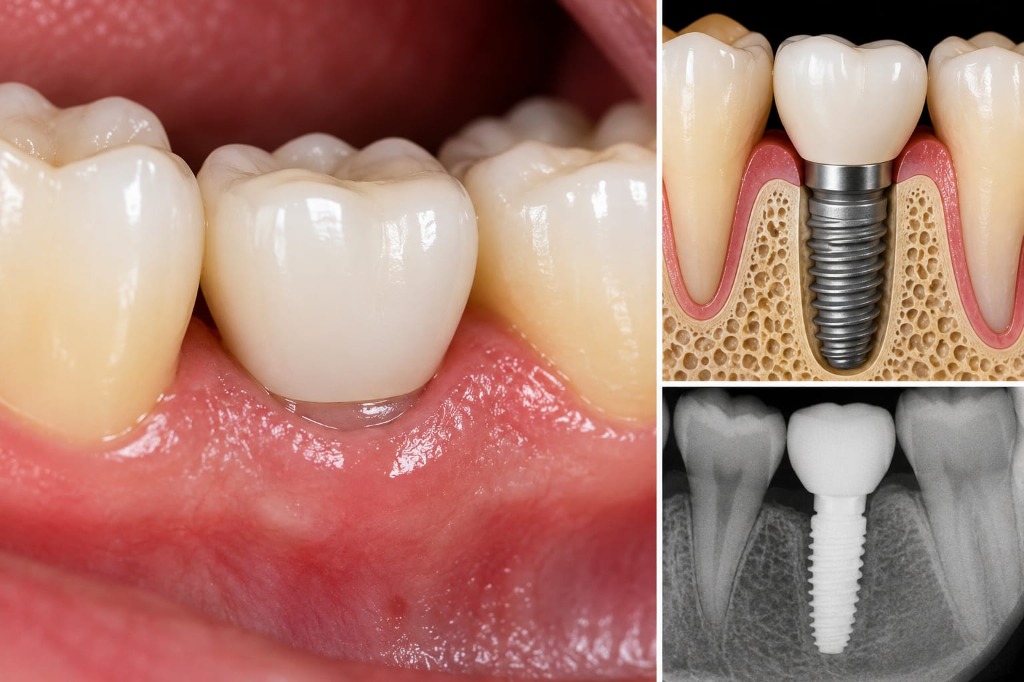
- Brush twice daily. Use a soft-bristled toothbrush and clean gently around your implants, crowns and gumline.
- Clean between your teeth and implants. Interdental brushes, implant-safe floss or a water flosser remove plaque from places a toothbrush cannot reach. I will recommend what suits your mouth best.
- Keep your implant check-ups. Professional examinations help find early signs of inflammation, bone loss or problems with the prosthesis before they become serious.
- Avoid smoking and tobacco. Smoking and tobacco use increase the risk of peri-implant disease and can compromise the long-term health of your implants.
- Protect your implant prosthesis. Avoid chewing extremely hard objects. If you grind your teeth, a professionally fitted night guard may help.
How often should I have implant check-ups?
Maintenance appointments are commonly recommended every 3 to 6 months, depending on your individual risk. If your gums or bite need closer watching, I may ask to see you more often.
What warning signs should I never ignore?
- Bleeding or swollen gums around an implant
- Persistent pain or discomfort
- Pus or an unpleasant taste around the implant
- Loosening of an implant crown or bridge
- Difficulty chewing or changes in your bite
If you notice any of these, please book a dental examination promptly rather than waiting for your next routine visit.
Is there special care for full-mouth dental implants?
Yes. If you have All-on-4, All-on-6 or another full-arch implant-supported bridge, cleaning underneath the prosthesis needs particular attention. Maintenance assessments for these cases may include professional cleaning, a bite evaluation, an examination of the prosthetic screws and components, and radiographs when clinically indicated.
Can dental implants last a lifetime?
Dental implants can function successfully for many years, but a lifetime result cannot be guaranteed. How long they last depends on your oral hygiene, general health, implant positioning, prosthetic design and ongoing professional care.
Implant maintenance FAQs
What is peri-implant disease?
It is inflammation of the gum and bone around a dental implant, usually linked to plaque build-up. Left untreated it can threaten the implant, which is why early detection matters.
Can I use a normal toothbrush on my implants?
A soft-bristled toothbrush is the right choice. Hard bristles and aggressive scrubbing can irritate the gums around the implant.
Do I need a water flosser?
Not necessarily. Interdental brushes, implant-safe floss or a water flosser can all work. Which one suits you depends on your implant position and your gums, and I will advise you.
My implant feels fine. Do I still need check-ups?
Yes. Early problems around an implant may not cause pain, so regular examinations are how they get caught in time.
What should I do if my implant crown feels loose?
Contact me promptly. Please do not keep chewing on it, as a loose crown or screw is easier to deal with early.